A laser can engrave a serial number, mark a control panel, cut a gasket or create a detailed design. The right result depends on more than the machine: the material, the shape of the part, the level of detail and how it needs to be held all matter.
At Laser Engraving Limited, we combine CO₂ and fibre laser technology with engineering and design experience to help customers find a practical solution. We work with businesses and individuals on projects ranging from individual personalised items to repeat marking of engineering components.
Laser engraving and marking for components
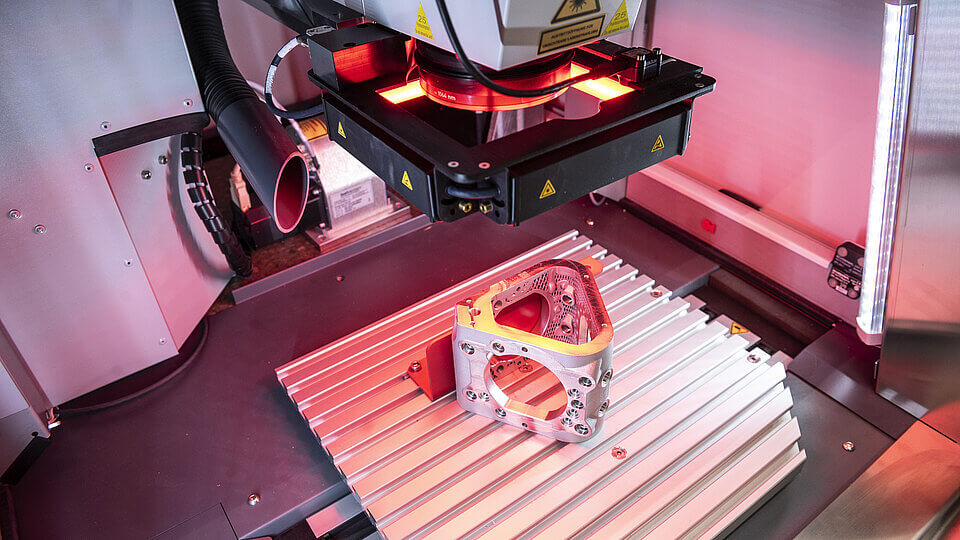
Laser marking can add identification details directly to a component. This may include part numbers, serial numbers, logos, barcodes, QR codes, safety information or other text.
The mark needs to be clear and correctly positioned. Some parts have only a small area available, while others are awkward to hold or need the same information in exactly the same place across a batch. We have worked on fine identification markings, including text less than a millimetre high, and on repeat marking for engineering applications. See examples of our laser engraving work.
Laser cutting for practical parts and designs
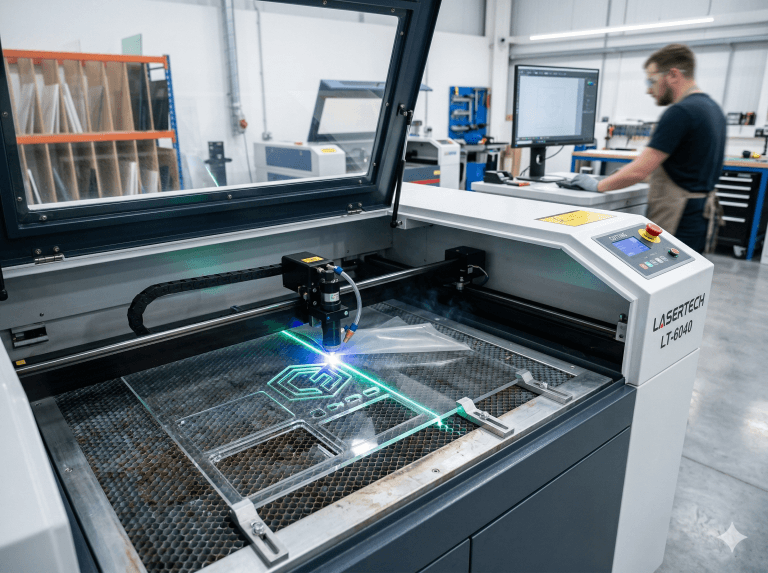
Laser cutting can produce detailed shapes without a cutting tool dragging across the material. This can be useful for work such as small gaskets, acrylic components, display parts and other designs where a clean, accurate cut is needed.
The suitable laser and settings depend on the material and its thickness. Our CO₂ laser work includes cutting materials such as acrylic and other suitable non-metal materials. If you have a drawing, sketch or sample part, we can discuss whether laser cutting is a good fit. See examples of our laser cutting work.
Choosing the right laser for the material
Different laser types suit different materials and jobs.
CO₂ lasers are commonly used to engrave and cut materials such as acrylic, wood, paper, fabric, leather and some plastics. Fibre lasers are commonly used for marking metals, including stainless steel, aluminium, brass and titanium. The finish also depends on the material itself, so we consider the specific item and the result you need. View the materials we have worked with.
If you are unsure whether your material can be engraved, marked or cut, get in touch. We can discuss the options before you commit to a design or production run.
Helping parts stay in the right position
Consistent positioning is important, especially when marking a batch of parts or working with delicate and unusual shapes. A part that moves or sits at a different angle can affect where the mark lands.
For some projects, we design and make a custom jig to hold each item securely in the right position. This helps us repeat the process more consistently and can reduce the risk of damaging awkward parts. Our design work ranges from simple locating jigs to developing a design from an initial sketch or concept. Read more about our laser design service.
The value of engineering experience
The laser is one part of the process. Knowing how to use it well means understanding the material, the part and what the finished job needs to achieve.
Rob Wallace’s background in engineering and design helps him assess each project, select a suitable approach and solve practical problems such as holding awkward parts or placing a clear, consistent mark. That experience is particularly useful when a job needs a considered solution rather than a standard setting. Read more about Rob’s background.
Discuss your project with us
If you need a component marked, a material cut or help developing a design, tell us what you are trying to achieve. A photo, drawing or sample can help us understand the part, its material, size and the result you have in mind.
Contact Laser Engraving Limited to discuss your requirements:
Phone: 01491 875100
Email: info@lead-uk.co.uk
Request a quote